Main Logo
  • Login/Join
  • Discussions
  • Courses
  • Library
  • Home
  • Library
  • Courses
  • Discussions
  • Login/Join
All▾
  • All
  • Family Discipleship
  • Spiritual Development
    • All
    • Discipleship
  • Church
    • All
    • Philosophy
    • Partnership
  • Child Philosophy
  • Child Protection
    • All
    • Child Protection - Known, Loved and Protected
    • Resolver for DCPOs
    • First Care after Trauma
  • COVID-19 Resources
    • All
    • Emotional Support
    • Responsible Caregiving
  • Health Modules
  • Start-Up Training Series
    • All
    • Learning Intervention 1
    • Learning Intervention 2
    • Learning Intervention 3
  • Other Trainings
    • All
    • Survival Intervention
    • Curriculum Development
    • Local Resource Mobilization
    • Fast Track
    • Poverty Probability Index
    • MS Teams
    • Home-based Programming
    • Virtual Visit
    • Voter's Education
  • Participant Lifecycle and Communications
    • All
    • Connect Processes
    • Participant Photo App
    • Participant Letter Portal
  • Child Assessment and CDPR Training
  • Cognitive Development
    • All
    • Science
    • Reading
    • Math
  • Socio-Emotional Development
    • All
    • Relationships
  • Intervention Categories
    • All
    • Health
    • Livelihoods
    • Youth Development
  • Monitoring and Evaluation
Search
Categories
  • All
  • Family Discipleship
  • Spiritual Development
    • All
    • Discipleship
  • Church
    • All
    • Philosophy
    • Partnership
  • Child Philosophy
  • Child Protection
    • All
    • Child Protection - Known, Loved and Protected
    • Resolver for DCPOs
    • First Care after Trauma
  • COVID-19 Resources
    • All
    • Emotional Support
    • Responsible Caregiving
  • Health Modules
  • Start-Up Training Series
    • All
    • Learning Intervention 1
    • Learning Intervention 2
    • Learning Intervention 3
  • Other Trainings
    • All
    • Survival Intervention
    • Curriculum Development
    • Local Resource Mobilization
    • Fast Track
    • Poverty Probability Index
    • MS Teams
    • Home-based Programming
    • Virtual Visit
    • Voter's Education
  • Participant Lifecycle and Communications
    • All
    • Connect Processes
    • Participant Photo App
    • Participant Letter Portal
  • Child Assessment and CDPR Training
  • Cognitive Development
    • All
    • Science
    • Reading
    • Math
  • Socio-Emotional Development
    • All
    • Relationships
  • Intervention Categories
    • All
    • Health
    • Livelihoods
    • Youth Development
  • Monitoring and Evaluation

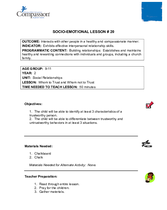
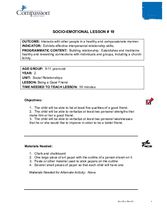
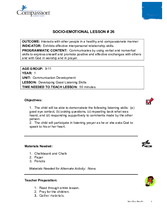
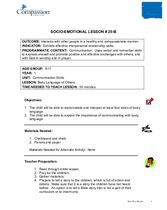
Sin Causes Disunity with Others

Preview

Preview

  • Page 1
  • Page 2
  • Page 3
  • Page 4
  • Page 5
Download

Login Required

You must be a member of the ForChildren.com community to download resources. Click the buttons below to sign in or sign up!

PDF • English • 603.0 KB
Tags: 9-11 years, Do Your Best, Godly Character, Being a Friend, Interpersonal Communication
Category None
Copyright Owner and Year Compassion International, 2015

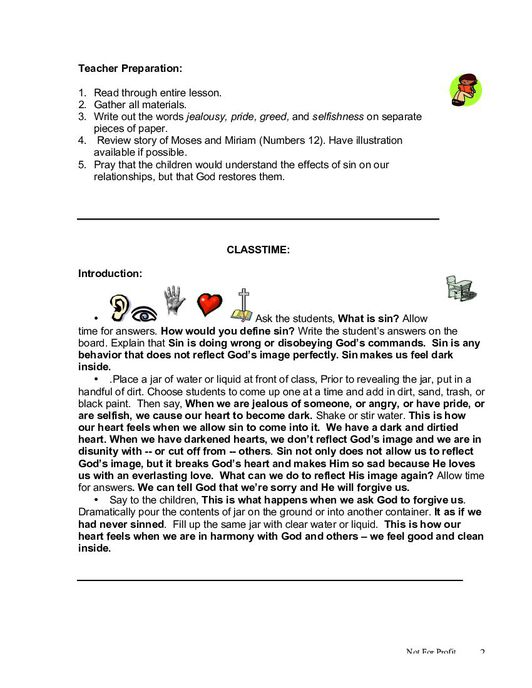
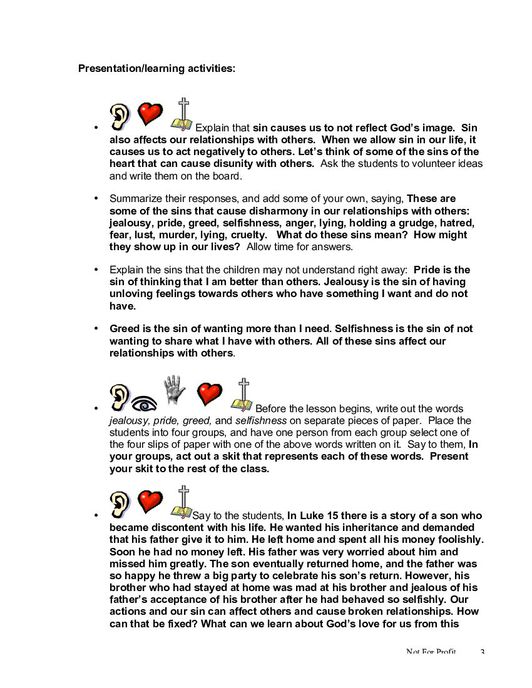
The lesson “Sin Causes Disunity with Others” teaches children about how sin not only separates us from God, but causes disunity in our relationship with other people. The children will discuss how restoration and reconciliation is possible with God’s help. The lesson includes guided instructions for the teacher, including preparation, a script, and suggested activities to facilitate further learning in a fun and interactive manner. This lesson is designed for children between 9-11 years, and is the 19th lesson in the 1st Year Core Curriculum Set and part of the “Sin Separates Us from God” unit.

This document is part of: Core Curriculum - Spiritual - 9-11 - Year 1

Discussion


Load all 0 comments, or add your own.

Related Documents


  • Works Cooperatively with Others

    Works Cooperatively with Others

    The lesson “Works Cooperatively with Others” helps children to further learn about the importance of effective and healthy interpersonal communicatio…
  • Do Not Be Easily Offended

    Do Not Be Easily Offended

    The lesson “Do Not Be Easily Offended” helps children to further understand the benefits of strong interpersonal skills when relating to others, as w…
  • Sharing Emotions

    Sharing Emotions

    The lesson “Sharing Emotions” continues to teach children about the importance of communication in interpersonal relationships and how to appropriate…
  • Encouraging Your Friends

    Encouraging Your Friends

    The lesson “Encouraging Your Friends” focuses on teaching children further about the importance of effective interpersonal relationship skills, speci…
  • Whom to Trust and Whom Not to Trust

    Whom to Trust and Whom Not to Trust

    The lesson “Whom to Trust and Whom Not to Trust” teaches children more about personal responsibility and interpersonal relationships. The children wi…
  • Being a Good Friend

    Being a Good Friend

    The lesson “Being a Good Friend” teaches children about interacting with others in a healthy and compassionate manner, helping to develop the interpe…
  • Developing Good Listening Skills

    Developing Good Listening Skills

    The lesson “Developing Good Listening Skills” helps children to further learn about the importance of effective and healthy interpersonal…
  • Body Language of Others

    Body Language of Others

    The lesson “Body Language” helps children to further understand the benefits of verbal and nonverbal communication in expressing oneself …
  • Body Language

    Body Language

    The lesson “Body Language” helps children to further understand the benefits of verbal and nonverbal communication in expressing oneself …
  • Sharing Emotions

    Sharing Emotions

    The lesson “Sharing Emotions” teaches children about the positive outcome of sharing their emotions with others in order to promote healt…
  • About
  • Privacy Policy
  • Contact Us
  • Terms of Use